Payment Methods
Safe and Easy

Safe and Easy
Back under 14 days
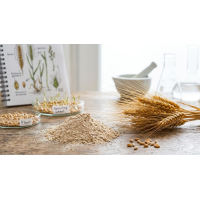
In recent years, the debate surrounding gluten consumption and the rise of non-celiac wheat sensitivities has taken center stage in nutritional and scientific discourse. A question frequently asked is whether the surge in gastrointestinal discomfort within Western populations is linked to an excessive intake of carbohydrates or, rather, to the structural quality of modern grain.
To fully comprehend this issue, it is necessary to examine the 20th-century agricultural transition and observe how genetic modifications in wheat have impacted the human digestive system.
Until the first half of the twentieth century, Mediterranean populations consumed wheat varieties that had undergone no artificially induced genetic alterations. Heritage varieties such as Tumminia, Russello, or Senatore Cappelli exhibited distinct biological traits: a tall stalk (often exceeding 150–180 cm) and a deep root system capable of absorbing nutrients from the richest layers of the soil.
Beginning in the 1970s, the "Green Revolution" introduced semi-dwarf wheat varieties (such as the Creso cultivar). By inducing mutations—frequently through X-ray radiation—agricultural scientists shortened the plant's height for three main reasons:
To prevent the stalk from breaking due to wind and rain (known as "lodging").
To facilitate mechanized harvesting.
To massively increase yield per hectare through the intensive use of nitrogen fertilizers.
However, reducing the plant’s height radically altered the biochemical structure of the grain, particularly its protein composition.
Gluten is not a single protein but a complex matrix composed mainly of two elements: gliadin and glutenin.
While modern wheat has been selectively bred to display an extremely high "gluten index"—making flour technologically ideal for fast-paced industrial processes by creating a tenacious, impermeable elastic network—ancient grains possess a fragile, less structured gluten mesh.
From a digestive standpoint, this difference is crucial. The rigid gluten network of modern wheat is highly resistant to gastric enzymes. Consequently, incompletely digested protein fragments reach the intestinal lumen intact. Once there, they can trigger localized inflammatory responses or stimulate an overproduction of zonulin, a protein responsible for increasing intestinal permeability (Leaky Gut Syndrome).
Recent clinical studies have shown that replacing modern wheat with ancient varieties in the daily diet not only reduces inflammatory markers (such as cytokines IL-6 and IL-12) but also promotes biodiversity within the gut microbiota.
Ancient grains, especially when stone-ground and consumed in their unrefined state, retain significant levels of:
Soluble and insoluble fibers: These act as excellent prebiotics.
Polyphenols and antioxidants: Bioactive compounds that modulate the growth of beneficial bacterial strains (such as Bifidobacteria) at the expense of pathogens.
Bioavailable minerals: Due to reduced phytic acid levels compared to intensively hybridized cultivars.
Shifting to a diet based on these heritage varieties has proven protective for individuals suffering from Irritable Bowel Syndrome (IBS), significantly improving symptoms related to bloating and digestive distress.
To truly benefit from the therapeutic properties of organic ancient grains, purchasing decisions must rely on strict traceability criteria. Labels indicating "100% Sicilian Wheat" or explicitly naming the variety (Tumminia, Russello, Perciasacchi, Maiorca) are the primary indicators of authenticity.
Furthermore, processing methods must respect the raw material: bronze-die extrusion and drying temperatures kept below 40°C ensure that the remaining protein structure undergoes no thermal shock (unlike high-heat industrial drying), which would make the final product even harder to metabolize.
For those wishing to explore the practical and culinary side of these grains, you can explore the scientifically traceable selection of ancient grain Sicilian flour on Italicum, stone-ground to keep the precious wheat germ intact.
If you prefer the convenience of a ready-to-cook, artisanal product crafted under the same rigorous standards of slow drying, we invite you to discover the best Sicilian pasta shapes in our catalog. In either case, you will be making a conscious wellness choice, bringing the ancestral flavor of the Mediterranean to your table.
Sofi, F. et al. (2014). "Characterization of ancient groups of wheat varieties and their evaluation for nutritional and health properties." International Journal of Food Sciences and Nutrition.
Dinu, M. et al. (2018). "Ancient wheat species and human health: Biochemical and clinical implications." Journal of Nutritional Biochemistry.